
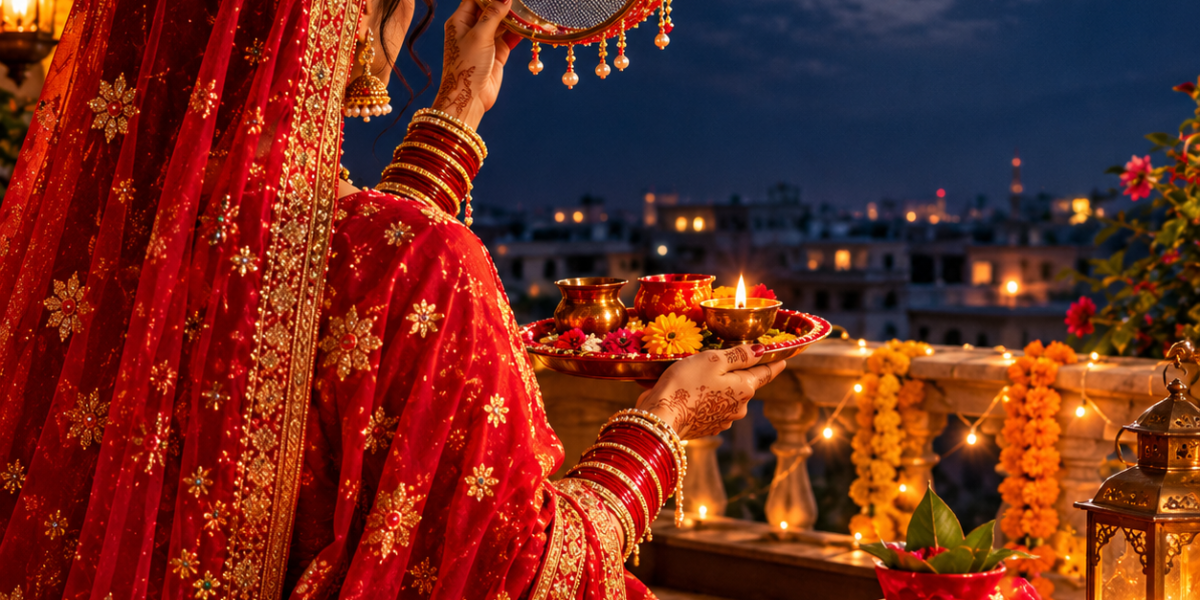
Karwa Chauth is one of the most cherished Hindu festivals, especially among married women in North India. On this day, women traditionally observe a fast and pray for the long life, good health, happiness and prosperity of their husbands. The festival is marked by devotion, traditional rituals, festive attire, mehndi, sargi and the evening worship of the Moon.
Karwa Chauth is observed on the Chaturthi Tithi, or the fourth day of the waning lunar phase, during the Hindu month of Kartik. In 2026, the festival will be celebrated on Thursday, October 29. Women observing the vrat perform the evening puja and offer prayers to the Moon before completing their fast according to family traditions.
Karwa Chauth 2026: Date and Important Timings
According to published Panchang timings, Karwa Chauth will be observed on October 29, 2026.
- Karwa Chauth Date: Thursday, October 29, 2026
- Chaturthi Tithi Begins: 1:06 AM on October 29
- Chaturthi Tithi Ends: 10:09 PM on October 29
- Puja Muhurat: Approximately 5:38 PM to 6:56 PM
- Expected Moonrise in New Delhi: Around 8:17 PM
These timings are indicative and may vary according to location and Panchang calculations. Devotees should check the local moonrise time and follow the timings applicable to their city. <Cite refs={[“turn182171search10″,”turn182171search11”]}/>
Why Is Karwa Chauth Celebrated?
Karwa Chauth holds special significance in many Hindu communities, particularly in North India. Traditionally, married women observe the fast to pray for their husbands’ well-being, longevity and happiness. The occasion is also associated with marital devotion, love, commitment and family togetherness.
In many households, the festival begins with sargi before sunrise. Women spend the day fasting and preparing for the evening puja. Families and communities may gather to listen to the Karwa Chauth vrat katha, exchange festive greetings and participate in traditional rituals.
Although the fast is traditionally associated with married women, customs differ between families and regions. Some couples also choose to observe the fast together.
Karwa Chauth 2026 Puja Vidhi
The evening puja is one of the most important parts of Karwa Chauth. While the precise rituals vary, the following steps are commonly followed.
1. Prepare the Puja Area
Clean the place of worship and arrange the images or idols of Goddess Parvati, Lord Shiva and Lord Ganesha according to family tradition. Keep the puja thali and other required items ready.
2. Arrange the Puja Samagri
Prepare a decorated thali with a diya, roli or kumkum, rice grains, flowers, sweets and other customary offerings. Keep a karwa, traditionally an earthen pot filled with water, for the ritual.
3. Perform the Evening Puja
During the prescribed puja muhurat, offer prayers to the deities and seek blessings for marital happiness, family well-being and prosperity.
4. Listen to the Karwa Chauth Vrat Katha
The vrat katha is traditionally heard or recited during the evening puja. The story of Veeravati is among the well-known narratives associated with the festival. Other regional versions and family traditions may also be followed.
5. Worship the Moon
After the Moon becomes visible, devotees offer arghya and perform the customary prayers. In many households, women view the Moon through a sieve before looking at their husbands and completing the traditional ritual.
6. Complete the Fast
The fast is traditionally concluded after Moon worship, following the family’s customary practices. Women then have water and food to break their fast.
What Is Sargi and Why Is It Important?
Sargi is a traditional pre-dawn meal eaten before the Karwa Chauth fast begins. In many families, a mother-in-law prepares or gives sargi to her daughter-in-law as a gesture of affection and blessings.
The meal commonly includes:
- Fresh fruits
- Dry fruits and nuts
- Sweets
- Other foods prepared according to family customs
Sargi is generally eaten before sunrise. Since the fast may continue until the Moon is sighted in the evening, a nourishing pre-dawn meal and adequate hydration beforehand can be important for comfort.
The ingredients and rituals associated with sargi vary across communities and households.
Karwa Chauth Puja Samagri List
Devotees can prepare the following items in advance:
- Karwa or earthen pot filled with water
- Puja thali
- Diya and cotton wicks
- Roli or kumkum
- Akshat, or unbroken rice grains
- Flowers
- Incense sticks, if used
- Fruits and sweets
- Images or idols of Goddess Parvati, Lord Shiva and Lord Ganesha
- A sieve for the traditional Moon-viewing ritual
- A glass of water for completing the fast
Some families also use a red cloth, decorated kalash and additional items according to their regional or household traditions.
Karwa Chauth Fasting Rules
Karwa Chauth fasting customs differ from one family to another. The following are common practices associated with the vrat:
1. Eat sargi before sunrise: In families that follow this tradition, women eat sargi before beginning the day’s fast.
2. Follow the customary fasting practice: Many devotees observe a nirjala vrat, abstaining from both food and water. Others may follow modified practices based on their health, circumstances or family traditions.
3. Participate in the evening puja: Devotees worship the deities and listen to the vrat katha as part of the observance.
4. Offer prayers to the Moon: Moon worship and the offering of arghya are central parts of the traditional ritual.
5. Maintain a peaceful atmosphere: Many devotees use the occasion for prayer, reflection and spending meaningful time with family.
6. Follow family and regional customs: Specific rules concerning food, clothing, puja materials and other activities may vary.
Important health note: Fasting without food or water for an extended period is not suitable for everyone. Pregnant or breastfeeding women, people with diabetes or other medical conditions, and those taking medicines that require food or water should consult a healthcare professional before attempting a prolonged or waterless fast. Health and safety should take priority over customary fasting restrictions.
Karwa Chauth 2026 Moonrise Time: Why Does It Vary by City?
Moonrise does not occur at the same time across India. It depends on geographical location, including latitude and longitude. As a result, devotees in different cities may see the Moon at different times on Karwa Chauth.
For example, the expected Moonrise timings published for October 29, 2026, include:
- New Delhi: Around 8:17 PM
- Noida: Around 8:16 PM
- Lucknow: Around 8:06 PM
- Jaipur: Around 8:28 PM
- Mumbai: Around 9:00 PM
- Kolkata: Around 7:47 PM
These are indicative timings and may differ slightly across Panchang sources. Devotees should verify the local moonrise time before planning the final ritual. Cloud cover may also affect visibility. <Cite refs={[“turn182171search11”]}/>
The Significance of the Karwa Chauth Vrat Katha
Listening to the vrat katha is an important tradition during Karwa Chauth. One of the best-known stories is that of Veeravati, whose fast is interrupted through a deception involving the Moon. The story is traditionally associated with devotion, faith and the importance of completing the vrat according to its rituals.
Different regions and families may follow different versions of the katha. For many devotees, hearing the story is an opportunity to reflect on faith, commitment and the spiritual significance of the occasion.
How Is Karwa Chauth Celebrated?
Preparations for Karwa Chauth often begin several days before the festival. Markets feature festive clothing, jewellery, bangles, mehndi and puja items. Women decorate their puja thalis and arrange sargi and other ritual essentials.
On the day of the festival, women may dress in traditional attire, apply mehndi and gather with relatives or members of their community for the evening puja. In many households, the vrat katha is followed by prayers to the Moon and the customary ritual of breaking the fast.
For many families, Karwa Chauth is not only a religious observance but also an occasion to celebrate relationships, family bonds and shared traditions.
Frequently Asked Questions (FAQs)
1. When is Karwa Chauth in 2026?
Karwa Chauth will be observed on Thursday, October 29, 2026.
2. What is the Karwa Chauth puja muhurat in 2026?
The indicative evening puja muhurat is approximately 5:38 PM to 6:56 PM on October 29. Local Panchang timings may vary.
3. What time will the Moon rise on Karwa Chauth 2026?
In New Delhi, the Moon is expected to rise at around 8:17 PM. The exact time differs by city, so check the local moonrise timing.
4. What is sargi in Karwa Chauth?
Sargi is a traditional pre-dawn meal eaten before the fast begins. It commonly includes fruits, dry fruits, nuts, sweets and other foods chosen according to family customs.
5. Which deities are worshipped during Karwa Chauth?
Goddess Parvati, Lord Shiva and Lord Ganesha are commonly worshipped during the evening puja, followed by the traditional Moon-worship ritual.
6. When is the Karwa Chauth fast completed?
Traditionally, the fast is completed after the Moon is sighted and worshipped, following the family’s customary rituals.
Conclusion
Karwa Chauth 2026 will be celebrated on October 29, bringing together age-old traditions, prayers and family celebrations. From the pre-dawn sargi meal to the evening puja and Moon worship, each ritual holds special meaning for devotees who observe the vrat.
Those planning to celebrate should prepare their puja samagri in advance, confirm the local puja muhurat and moonrise time, and follow their family traditions. Above all, the festival offers an opportunity to express love, commitment, gratitude and prayers for the well-being of loved ones.

Editorial Review Note
Written by Religion World — Bhavya Srivastava is the founder of Religion World and a veteran journalist with over 18 years of experience across broadcast, print, and digital media. A founding member of the International Association of Religion Journalists (IARJ), he has spent much of his career reporting on and producing content about religion, faith, and spirituality. View full profile →.
Religion World provides information on all religions and presents it impartially. You can send us information, news, updates, opinions, and suggestions at religionworldin@gmail.com. You can also follow us on X (Twitter), Facebook, and YouTube.