
The Sacred Entry That Changed History
Palm Sunday 2025 will be observed on April 13, 2025, marking the beginning of Holy Week in the Christian liturgical calendar. It commemorates the triumphant yet deeply paradoxical entry of Jesus Christ into Jerusalem, just days before his crucifixion. This moment remains one of the most powerful events in Christian theology and worship.
The Sacred Entry That Changed History
According to the Gospels of Matthew, Mark, Luke, and John, Jesus entered Jerusalem riding on a donkey, fulfilling the prophecy from Zechariah 9:9 about a humble king coming in peace. As he arrived, crowds welcomed him by spreading garments on the road and waving palm branches, crying out, “Hosanna! Blessed is he who comes in the name of the Lord!” This public welcome carried both spiritual and symbolic meaning.
Why Christians Wave Palms on Palm Sunday
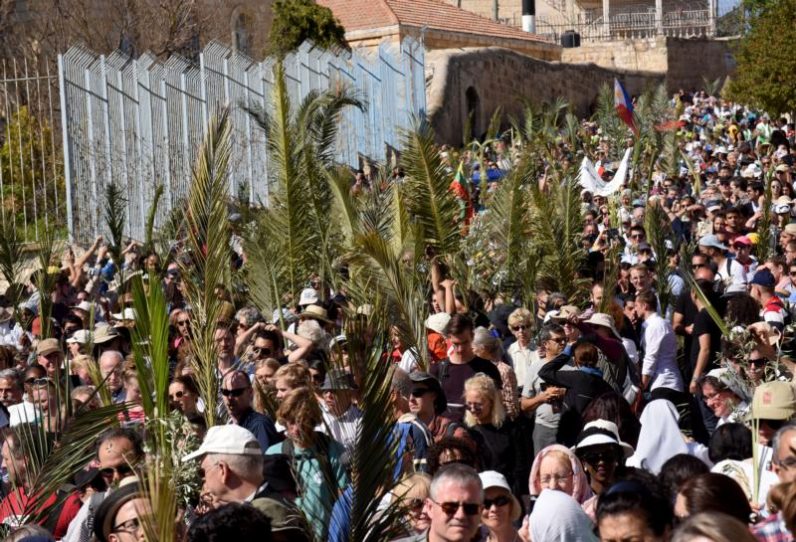
The palm branch has long been associated with victory, honor, and peace. On Palm Sunday, Christians wave palms to remember the way the people of Jerusalem welcomed Jesus. In churches around the world, palm branches or local substitutes are blessed and carried in procession as part of the liturgy. In many traditions, these blessed palms are later preserved and burned to prepare the ashes used on the following Ash Wednesday.
Why Palm Sunday Still Matters Today
Palm Sunday is observed across Christian denominations, including Catholic, Orthodox, Anglican, and Protestant churches. It is not only a historical remembrance but also a spiritual invitation to reflect on humility, devotion, and the meaning of welcoming Christ into one’s life.
For Christians in India, Palm Sunday is often marked by morning Masses, processions, and special prayers. Churches in states such as Goa, Kerala, Tamil Nadu, and across the Northeast are especially known for vibrant Holy Week observances.
The Theological Paradox of Palm Sunday
What makes Palm Sunday so profound is its tension. The same crowd that welcomed Jesus with joy would, within days, become part of the larger movement that led to his crucifixion. This contrast between praise and rejection lies at the heart of Holy Week reflection.
Palm Sunday therefore stands as more than a celebration. It is also a reminder of human inconsistency, spiritual testing, and divine purpose.
Holy Week Timeline After Palm Sunday
- Monday to Wednesday: Jesus teaches in the Temple
- Maundy Thursday: The Last Supper and the institution of the Eucharist
- Good Friday: Crucifixion
- Holy Saturday: Vigil
- Easter Sunday: Resurrection
Palm Sunday is not just a commemoration of a sacred event. It is an invitation to ask what kind of welcome we truly offer to the sacred in our own lives.
Read about: Good Friday
FAQ
1. What is Palm Sunday?
Palm Sunday is the Christian observance that commemorates Jesus Christ’s entry into Jerusalem and marks the beginning of Holy Week.
2. Why do Christians wave palms on Palm Sunday?
Christians wave palm branches to remember how the crowd welcomed Jesus into Jerusalem with palms and garments, honoring him with joy and reverence.
3. When is Palm Sunday 2025?
Palm Sunday 2025 will be observed on April 13, 2025.
4. Why is Palm Sunday important in Christianity?
Palm Sunday is important because it begins Holy Week and reflects both the public welcome of Jesus and the deeper spiritual journey that leads to the crucifixion and resurrection.
5. How is Palm Sunday celebrated?
Palm Sunday is celebrated with church services, palm processions, special prayers, and the blessing of palm branches or similar leaves.

Editorial Review Note
Written by Religion World — Bhavya Srivastava is the founder of Religion World and a veteran journalist with over 18 years of experience across broadcast, print, and digital media. A founding member of the International Association of Religion Journalists (IARJ), he has spent much of his career reporting on and producing content about religion, faith, and spirituality. View full profile →.
Religion World provides information on all religions and presents it impartially. You can send us information, news, updates, opinions, and suggestions at religionworldin@gmail.com. You can also follow us on X (Twitter), Facebook, and YouTube.