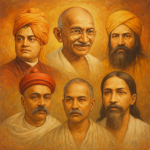

Spirituality is the journey of self-realization, inner peace, and connection with the higher truth. It emphasizes humility, selflessness, compassion, and detachment from material desires. Ego, on the other hand, is rooted in pride, selfishness, and attachment to one’s identity, achievements, and possessions. The inherent conflict between ego and spirituality raises an important question: Why do ego and spirituality not go hand in hand? Understanding this relationship is essential for anyone seeking inner growth and meaningful spiritual development.
The Nature of Ego
Ego is the sense of “I” or self-importance. It thrives on comparison, recognition, and validation from others. While a healthy sense of self can motivate action and achievement, excessive ego leads to arrogance, selfishness, and a disconnect from the deeper truths of life. Ego focuses on personal gain, status, and identity, often neglecting the needs and feelings of others.
Spirituality and Ego: Opposing Forces
True spirituality requires humility, surrender, and detachment. Spiritual growth depends on acknowledging that the self is not the center of the universe and that life is interconnected. Ego, however, reinforces the illusion of separation and superiority. A person driven by ego is often unable to accept guidance, criticism, or the concept of surrendering personal desires for higher purposes.
Lessons from Religious and Spiritual Texts
All major spiritual traditions highlight the incompatibility of ego and spiritual progress.
In Hinduism, the Bhagavad Gita emphasizes detachment from the fruits of action and surrender to the divine as a path to liberation. Ego, which craves recognition and reward, directly opposes this principle.
In Buddhism, attachment to self and identity is seen as the root cause of suffering, while mindfulness and selflessness are key to enlightenment.
In Christianity and Islam, humility before God and service to humanity are central teachings, while pride and arrogance are warned against as obstacles to spiritual growth.
Ego as a Barrier to Inner Peace
Ego prevents self-reflection and honest evaluation of one’s thoughts and actions. A person controlled by ego is often defensive, reactive, and judgmental, making it difficult to cultivate inner peace. Spirituality, on the other hand, demands clarity of mind, emotional balance, and openness to learning and transformation. Ego and spiritual practice are therefore fundamentally at odds.
Humility: The Bridge to Spiritual Growth
Humility is the antidote to ego. It allows individuals to see themselves as part of a larger whole, respect others, and accept life’s lessons with grace. Spiritual traditions teach that the lower the ego, the higher the spiritual realization. Saints, sages, and enlightened beings exemplify humility, selflessness, and service, demonstrating that spiritual progress is impossible without letting go of egoistic tendencies.
Practical Implications in Daily Life
In practical terms, ego manifests as competitiveness, jealousy, pride, and an overemphasis on self-image. Spirituality encourages letting go of these attachments and embracing compassion, patience, and generosity. Daily spiritual practices such as meditation, prayer, selfless service, and mindfulness help in reducing ego and fostering a humble approach to life.
Ego vs. Selfless Action
Spirituality emphasizes Nishkama Karma, or selfless action, which is impossible when ego dominates. An ego-driven person seeks recognition, status, or reward, while spiritual action focuses on contribution without expectation. Thus, ego obstructs not only personal spiritual growth but also the ability to positively impact others and society.
Conclusion
Ego and spirituality are fundamentally incompatible because one thrives on self-importance while the other nurtures selflessness. Ego creates separation, pride, and attachment, whereas spirituality fosters humility, surrender, and interconnectedness. True spiritual growth requires recognizing the limitations of the ego, letting go of selfish desires, and cultivating compassion, humility, and selflessness. Only then can an individual experience inner peace, fulfillment, and alignment with higher truths.
~Religion World Bureau