Festivals have always been an integral part of human civilization, serving as occasions for joy, devotion, and social bonding. In India, festivals hold a special place in the cultural and spiritual life of the people. Traditionally, they were rooted in religion, community participation, and cultural rituals. However, in modern times, the nature of festivals has evolved, reflecting societal, technological, and economic changes. Understanding these transformations provides insight into how festivals continue to shape social life while adapting to contemporary lifestyles.
Traditional Significance of Festivals
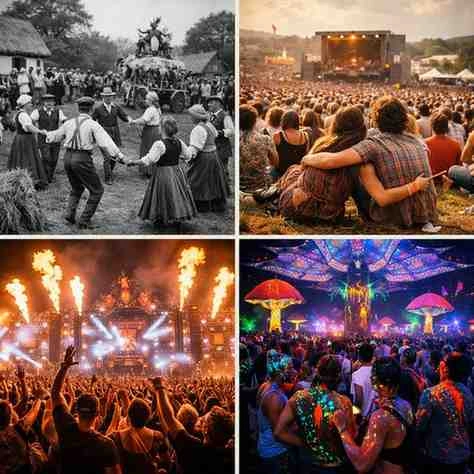
Historically, festivals were closely tied to religious and agricultural cycles. They marked the changing seasons, harvests, and religious observances. Festivals like Diwali, Holi, Eid, Christmas, and Guru Nanak Jayanti were occasions to celebrate faith, community, and the natural rhythm of life. People came together in collective worship, shared meals, performed rituals, and passed on cultural values to younger generations. The focus was on spiritual reflection, moral teachings, and social cohesion.
Commercialization and Consumerism
One of the most visible changes in the modern era is the commercialization of festivals. Today, festivals are often associated with shopping, advertising, and lavish celebrations. While this has increased economic activity and created employment opportunities, it has also shifted attention from the spiritual and cultural essence of the festivals. The emphasis on material gifts, extravagant decorations, and commercial events sometimes overshadows traditional rituals and moral teachings.
Technology and Digital Celebrations
Technology has transformed how festivals are celebrated. Social media, online greetings, virtual religious services, and live-streamed rituals have made festivals more accessible to people worldwide. While this ensures that cultural and religious practices reach a broader audience, it also changes the personal and communal experience. For example, sending a digital greeting replaces visiting relatives and participating in rituals in person, altering the intimate social connection that traditional festivals once offered.
Urbanization and Changing Social Patterns
Urban lifestyles and migration have also influenced festival celebrations. In cities, nuclear families often cannot celebrate festivals with the extended family or community as in traditional rural settings. Public events, corporate celebrations, and city-based gatherings have replaced some traditional home-centered rituals. Although this brings people together in new ways, it changes the rhythm, intimacy, and personal engagement that older celebrations encouraged.
Fusion of Traditions and Modern Practices
Modern festivals often reflect a fusion of traditional and contemporary practices. People may combine religious rituals with modern entertainment, such as music concerts, fairs, and social events. This blend ensures relevance to younger generations and keeps cultural practices alive, but it also poses the risk of diluting the deeper spiritual and ethical messages embedded in the original observances.
Globalization and Cultural Exchange
Globalization has expanded the reach of festivals beyond national and cultural boundaries. Festivals like Diwali, Holi, and Christmas are now celebrated internationally, introducing new cultural interpretations and influences. This cross-cultural exchange enriches the understanding of festivals but also transforms their traditional meaning to some extent, adapting them to universal or secular contexts.
Preserving Values Amid Change
Despite these changes, festivals continue to serve as powerful instruments for social bonding, moral teaching, and spiritual reflection. Many communities strive to preserve traditional rituals, educate the younger generation about cultural heritage, and maintain the ethical and spiritual significance of festivals. The challenge is to embrace modernity without losing the essence of cultural and religious identity.
Conclusion
In conclusion, the nature of festivals has indeed changed over time, influenced by commercialization, technology, urbanization, and globalization. However, their core purpose—bringing people together, celebrating life, and imparting moral and spiritual lessons—remains intact. Festivals have adapted to contemporary society, finding new forms and expressions while continuing to shape culture, community, and identity. Understanding and balancing tradition with modern practices ensures that festivals remain meaningful and socially cohesive in today’s world.
~Religion World Bureau