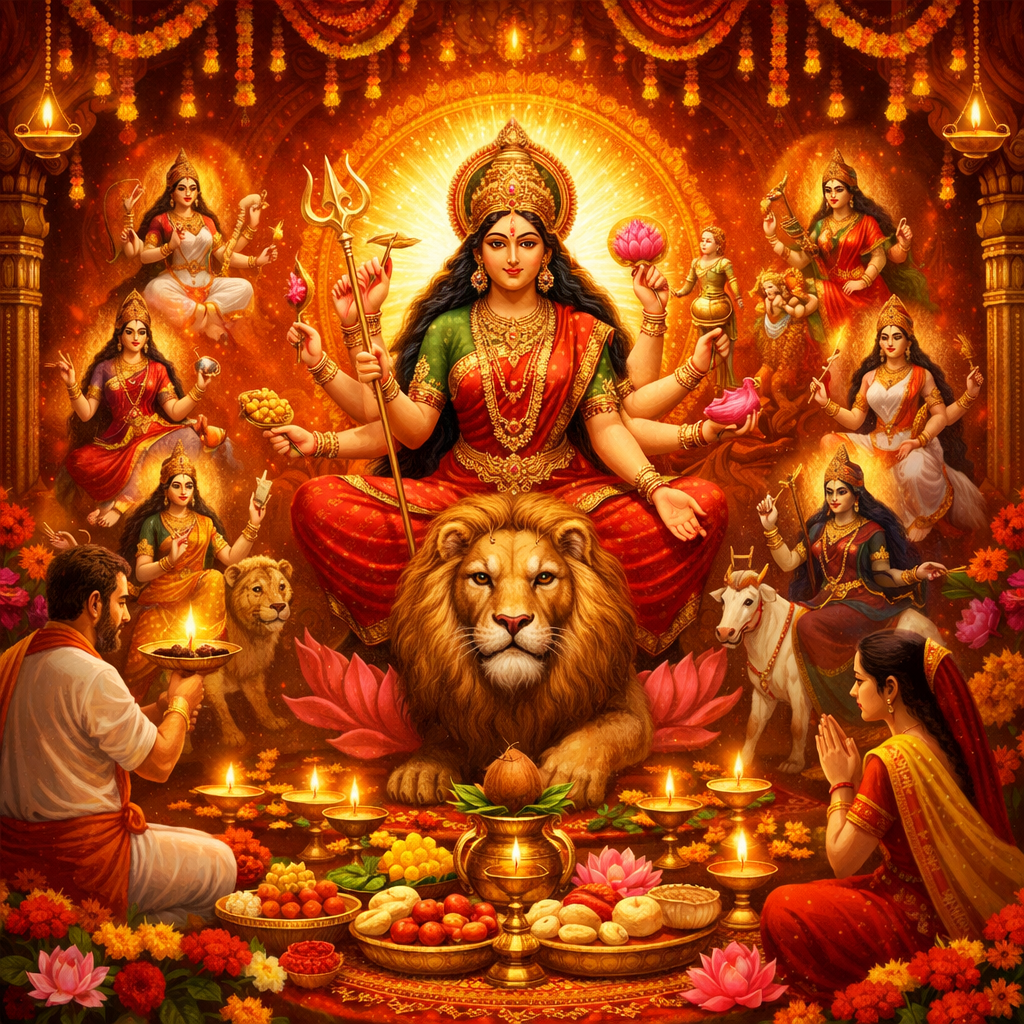
Chaitra Navratri: The Sacred Festival of Divine Energy and New Beginnings
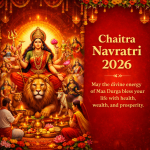
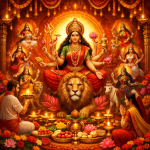
Chaitra Navratri is one of the most sacred festivals in Hinduism, dedicated to the worship of Goddess Durga and her nine divine forms (Navdurga). Celebrated in the Hindu month of Chaitra, this festival marks the arrival of spring and the beginning of the Hindu New Year in many regions of India. In 2026, Chaitra Navratri will be celebrated from 19 March to 27 March, culminating with Ram Navami, the birth anniversary of Lord Rama. For nine days, devotees across India observe fasts, prayers, spiritual discipline and devotion, invoking the divine feminine power known as Shakti.
Spiritual Significance of Chaitra Navratri
The word Navratri means “nine nights”, symbolizing nine days of devotion to the divine feminine energy. According to Hindu belief, these days are considered extremely auspicious for spiritual awakening, purification of the mind and seeking divine blessings. Chaitra Navratri also represents the victory of good over evil, reminding devotees of the cosmic battle in which Goddess Durga defeated the demon Mahishasura. Another important aspect of this Navratri is that it coincides with the birth of Lord Rama, which is celebrated on the ninth day as Ram Navami. Thus, the festival uniquely honors both Shakti (Divine Feminine Energy) and Dharma (righteousness embodied by Lord Rama).
Chaitra Navratri and the Hindu New Year
Chaitra Navratri holds special importance because it marks the beginning of the first month of the Hindu lunar calendar. Many regional New Year celebrations occur around this time, including:
Ugadi in Karnataka, Telangana and Andhra Pradesh
Gudi Padwa in Maharashtra
Navreh in Kashmir
Cheti Chand among Sindhi communities
The festival symbolizes renewal, prosperity, and the start of a new spiritual cycle.
Nine Days of Navdurga Worship
Each day of Navratri is dedicated to one form of Goddess Durga.
Day 1 – Maa Shailputri
The daughter of the Himalayas, she represents strength, stability and purity.
Day 2 – Maa Brahmacharini
Symbol of penance, devotion and spiritual discipline.
Day 3 – Maa Chandraghanta
She symbolizes courage, grace and protection from evil forces.
Day 4 – Maa Kushmanda
Believed to have created the universe with her divine smile.
Day 5 – Maa Skandamata
Mother of Lord Kartikeya; she represents motherly love and protection.
Day 6 – Maa Katyayani
Worshipped for strength, courage and victory over negativity.
Day 7 – Maa Kalaratri
The fiercest form of Durga, symbolizing the destruction of darkness and evil.
Day 8 – Maa Mahagauri
Represents purity, peace and compassion.
Day 9 – Maa Siddhidatri
Bestower of spiritual powers and divine blessings.
Important Rituals of Chaitra Navratri
1. Ghatasthapana (Kalash Sthapana)
The festival begins with Kalash Sthapana, a ritual that invokes Goddess Durga into the home or temple altar.
In 2026, the auspicious timing for Kalash Sthapana is early morning between approximately 6:10 AM and 8:35 AM.
The kalash symbolizes life, prosperity and divine energy.
2. Navratri Fasting (Vrat)
Many devotees observe fasting for all nine days or on selected days such as Ashtami or Navami.
Typical fasting practices include:
Eating satvik food
Avoiding onion, garlic and grains
Consuming fruits, milk and vrat foods like sabudana, kuttu flour and singhara flour
Fasting is believed to purify the body and mind while strengthening devotion.
3. Daily Durga Puj
Devotees perform:
Lighting of ghee lamps
Chanting of Durga Saptashati
Recitation of Durga Chalisa
Offering flowers, coconut and sweets
Many temples organize special aartis, kirtans and spiritual discourses during these days.
4. Kanya Puja (Kanjak)
On Ashtami or Navami, young girls representing the nine forms of the Goddess are worshipped.
Devotees:
Wash their feet
Offer food such as halwa, puri and chana
Give gifts and blessings
This ritual symbolizes honoring the divine feminine in its purest form.
Ram Navami – The Grand Conclusion
The ninth day of Chaitra Navratri marks Ram Navami, celebrating the birth of Lord Rama, the seventh incarnation of Lord Vishnu.
Temples organize:
Ramayana recitations
Processions and bhajans
Special prayers at noon, believed to be the time of Rama’s birth.
This day symbolizes the triumph of righteousness and divine order.
Cultural Celebrations Across India
Though primarily spiritual, Chaitra Navratri is also celebrated with vibrant cultural traditions:
Durga temples decorated with flowers and lamps
Community bhajans and devotional gatherings
Spiritual discourses and Ram Katha events
Charity and food distribution (Annadaan)
In many regions, devotees start new ventures, spiritual vows and religious journeys during this period.
The Spiritual Message of Navratri
Beyond rituals and celebrations, Chaitra Navratri conveys a profound message: The divine power resides within every individual, and through devotion, discipline and faith, one can overcome inner negativity and awaken spiritual strength. The festival reminds humanity that Shakti — the cosmic feminine energy — sustains the universe, guiding creation, protection and transformation.
Frequently Asked Questions About Chaitra Navratri 2026
When is Chaitra Navratri 2026?
Chaitra Navratri 2026 will begin on 19 March 2026 and continue through the nine sacred days of Navratri, concluding with Ram Navami celebrations on 27 March 2026.
What is the significance of Chaitra Navratri?
Chaitra Navratri is a sacred Hindu festival dedicated to Goddess Durga and her nine divine forms, known as Navdurga. It symbolizes divine energy, spiritual purification, inner strength, and the victory of good over evil.
Why is Chaitra Navratri associated with the Hindu New Year?
Chaitra Navratri is linked with the beginning of the Hindu lunar month of Chaitra, which is considered the start of the Hindu New Year in many regions of India. The festival represents renewal, prosperity, and new beginnings.
What are the nine forms of Goddess Durga worshipped during Chaitra Navratri?
The nine forms of Goddess Durga worshipped during Chaitra Navratri are Maa Shailputri, Maa Brahmacharini, Maa Chandraghanta, Maa Kushmanda, Maa Skandamata, Maa Katyayani, Maa Kalaratri, Maa Mahagauri, and Maa Siddhidatri.
What are the main rituals observed during Chaitra Navratri?
The main rituals of Chaitra Navratri include Ghatasthapana or Kalash Sthapana, daily Durga Puja, chanting of Durga Saptashati or Durga Chalisa, fasting, offering flowers and sweets, lighting ghee lamps, and Kanya Puja on Ashtami or Navami.
What foods are usually eaten during Chaitra Navratri fasting?
During Chaitra Navratri fasting, devotees usually eat satvik foods such as fruits, milk, sabudana, kuttu flour, singhara flour, potatoes, and other vrat-friendly foods while avoiding onion, garlic, and regular grains.
What is the importance of Ram Navami during Chaitra Navratri?
Ram Navami marks the birth anniversary of Lord Rama and is observed during the concluding phase of Chaitra Navratri. It represents righteousness, dharma, and the triumph of divine order.