Who Is Sathya Sai Baba? A Spiritual Leader Whose Influence Reached World Leaders
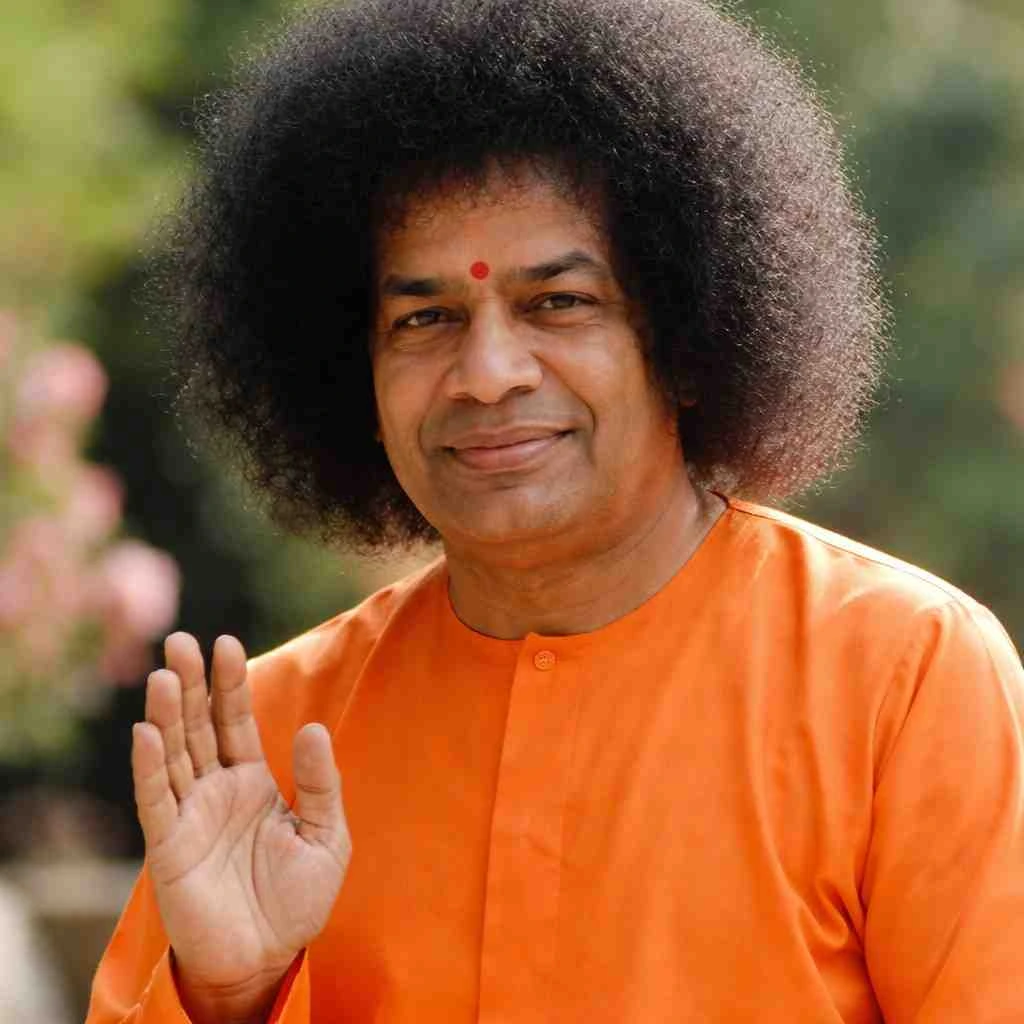
Sathya Sai Baba was one of the most influential spiritual figures of the 20th and early 21st centuries, revered by millions across India and the world. Known for his teachings of universal love, selfless service, and unity of all religions, Sathya Sai Baba built a global spiritual movement that went far beyond traditional boundaries of faith, nationality, and culture. His devotees included not only ordinary followers but also high-profile personalities such as cricket legend Sachin Tendulkar, former Indian Prime Minister Dr. Manmohan Singh, and Venezuelan President Nicolás Maduro, highlighting the global reach of his influence.
Early Life and Spiritual Identity
Sathya Sai Baba was born on November 23, 1926, in the village of Puttaparthi in Andhra Pradesh, India. He was named Sathyanarayana Raju at birth. From a very young age, he displayed extraordinary spiritual inclination, compassion, and wisdom, which later became central to his identity as a spiritual teacher. At the age of 14, he declared himself to be a spiritual guide with a divine mission, emphasizing love, truth, peace, righteousness, and non-violence as the pillars of human life.
Core Teachings: Unity and Service
One of Sathya Sai Baba’s most powerful messages was “Love All, Serve All.” He taught that all religions lead to the same ultimate truth and that humanity should rise above divisions of caste, creed, and nationality. Rather than encouraging conversion, he urged people to become better followers of their own faiths through moral living and selfless service.
His philosophy was deeply practical. Sathya Sai Baba believed spirituality must express itself through action, particularly service to the poor and needy. This belief shaped the vast humanitarian work carried out under his guidance.
Global Humanitarian Work
The Sathya Sai Organization, established under his inspiration, operates in over 160 countries. It is known for large-scale service projects, especially in healthcare, education, and drinking water supply.
Some of the most notable initiatives include:
Free Super-Specialty Hospitals in Puttaparthi and Bengaluru, offering advanced medical treatment at no cost.
Free Education Institutions, from primary schools to universities, where students receive education without fees.
Drinking Water Projects, providing safe water to millions in drought-prone regions of Andhra Pradesh and Tamil Nadu.
These initiatives made Sathya Sai Baba not just a spiritual leader but also a major humanitarian figure.
High-Profile Devotees and Global Reach
Sathya Sai Baba’s influence extended into the worlds of sports, politics, and global leadership.
Sachin Tendulkar, widely regarded as one of the greatest cricketers of all time, publicly acknowledged his deep faith in Sathya Sai Baba. Tendulkar often credited spiritual discipline and inner balance, inspired by Sai Baba’s teachings, for helping him handle pressure and success with humility.
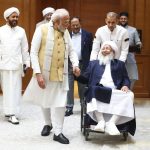
Dr. Manmohan Singh, former Prime Minister of India, also held Sathya Sai Baba in high regard. He visited Puttaparthi and appreciated Sai Baba’s contributions to education and healthcare. Dr. Singh praised the selfless service model of Sai institutions, particularly their emphasis on ethics and values.
Internationally, Nicolás Maduro, President of Venezuela, was known to be a devoted follower. His wife, Cilia Flores, introduced him to Sathya Sai Baba, and the couple reportedly visited India to seek his blessings. Sathya Sai Baba’s portrait was even displayed in Maduro’s private office, reflecting a spiritual connection that transcended continents. This connection demonstrates how Sai Baba’s teachings resonated far beyond India.
Spiritual Practices and Daily Life
Devotees of Sathya Sai Baba followed a disciplined spiritual routine that included meditation, prayer, devotional singing (bhajans), and community service. Ashrams, especially Prashanti Nilayam in Puttaparthi, became global centers for spiritual learning and cultural exchange.
People from different religions—Hindus, Muslims, Christians, Buddhists, and others—felt welcomed, as Sai Baba consistently emphasized interfaith harmony.
Legacy After His Passing
Sathya Sai Baba passed away on April 24, 2011, but his legacy remains strong. His organizations continue to run hospitals, schools, and service projects worldwide. Annual festivals, spiritual conferences, and humanitarian programs keep his teachings alive for future generations.
Importantly, his message remains relevant in today’s world marked by conflict and division. His call for unity, compassion, and service continues to inspire individuals and leaders alike.
Why Sathya Sai Baba Matters Today
In an era dominated by materialism and political polarization, Sathya Sai Baba’s life stands as a reminder that spirituality and service can coexist with modern life. The fact that figures like Sachin Tendulkar, Manmohan Singh, and Nicolás Maduro found meaning in his teachings underscores his universal appeal.
Sathya Sai Baba was not merely a spiritual guru; he was a global phenomenon whose influence touched sports fields, political offices, and millions of hearts. His life and work continue to inspire people to live with integrity, compassion, and love.
~Religion World Bureau