
Which Religion Do People in China Follow the Most? Do They Believe in God?
Understanding the religious beliefs of people in China is important because China is one of the world’s oldest civilizations. Its culture, philosophy, and spiritual practices have shaped millions of lives for thousands of years. Many people often wonder: Which religion do Chinese people follow? Do they believe in God? This article explains these questions in a simple, balanced, and non-controversial way.
China’s Religious Landscape: A Mix of Traditions
China is not a country where one single religion dominates. Instead, it has a mix of spiritual traditions that people follow in different ways. The three major belief systems in China are:
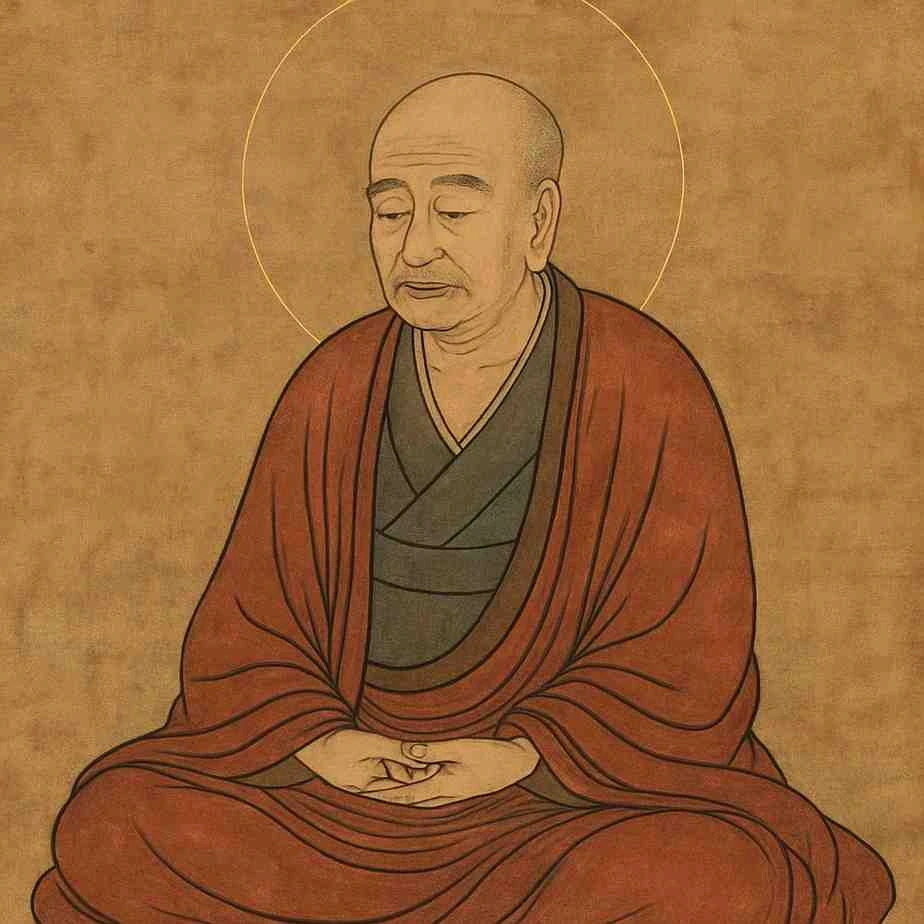
1. Buddhism
Buddhism is one of the largest spiritual traditions in China. Introduced around 2,000 years ago, it teaches peace, meditation, kindness, and the path to end suffering.
Most Chinese Buddhists visit temples, offer prayers, and practice meditation. They believe in virtues like compassion, patience, and doing good deeds.
2. Taoism (Daoism)
Taoism is China’s native belief system. It focuses on living in harmony with nature and following the “Tao,” meaning “the way.”
People who follow Taoism believe in balance—like light and dark, calm and energy—and seek a peaceful and simple life.
3. Confucianism
Confucianism is more of a philosophy than a religion. It teaches values like honesty, respect, discipline, responsibility, and family honor.
Even today, a large part of Chinese culture is influenced by Confucian teachings.
Belief in God: A Diverse Understanding
The idea of “God” is understood differently in China.
Buddhism
Buddhism does not focus on a single god. Instead, it talks about spiritual growth, karma, and enlightenment.
Taoism
Taoism includes many divine figures, such as the Jade Emperor and other heavenly beings, but they are seen as part of a larger cosmic balance.
Folk Religion
Many people in China also follow traditional folk beliefs. They worship ancestors and local deities to seek blessings, protection, and good fortune.
Non-religious People
China also has a large population that identifies as non-religious. Many follow moral values instead of practicing a formal religion.
So the answer is: Yes, many people in China believe in divine or spiritual powers, but their belief does not always match the idea of a single God like in other religions.
Religion and Daily Life in China
Chinese people often mix different traditions. A person may:
follow Buddhist teachings,
practice Taoist rituals,
and respect Confucian values,
all at the same time.
Festivals, temple visits, and ancestor ceremonies are common, especially during New Year, harvest festivals, and community events.
Is Religion Allowed in China?
Yes, religion is allowed, but it is practiced in a structured and organized way. Major recognized religions include:
Buddhism
Taoism
Islam
Christianity
Folk religions
People can pray, visit temples, or follow spiritual practices peacefully.
Why China’s Religious Culture Is Unique
What makes China different is that:
people do not always stick to one religion,
spirituality is closely connected with culture,
moral teachings are considered more important than rituals,
and many families pass their beliefs from generation to generation.
This creates a unique blend of tradition and spirituality.
China is a country with a rich mix of religions and philosophies. While Buddhism and Taoism are highly practiced, many people also follow folk traditions, ancestral worship, and Confucian values. Chinese people do believe in spiritual forces, but their understanding of “God” is broad and diverse. Their focus is often on harmony, balance, kindness, and a meaningful life. This balanced blend makes China’s spiritual culture one of the most fascinating in the world.
~Religion World Bureau