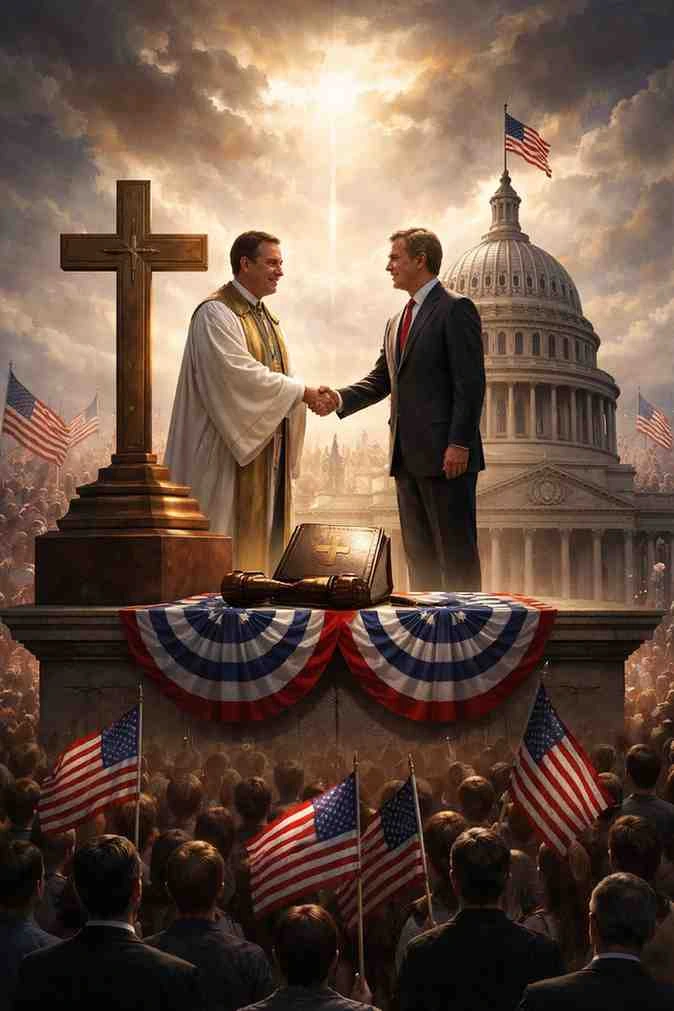
A Human Rights–Based Analysis
The relationship between religion and politics has been one of the most debated issues in human history. Religion shapes moral values, ethical behavior, and cultural identities, while politics governs laws, power, and public policy. When these two powerful forces intersect, the consequences can be profound—sometimes constructive, sometimes deeply damaging. From a human rights perspective, it becomes essential to ask: How appropriate is the union of religion and politics in a modern democratic society?
The Influence of Religion on Political Thought
Religion has historically played a role in shaping political systems and laws. Many concepts such as justice, compassion, equality, and service to humanity are rooted in religious teachings. Political leaders have often drawn moral legitimacy from religion to inspire social reforms, fight injustice, and promote ethical governance. In this sense, religion can provide a moral compass that guides political decision-making toward the welfare of society.
When Religion Strengthens Politics
In some contexts, religious values have supported human rights movements. Campaigns against slavery, racial discrimination, and social inequality have often been inspired by faith-based principles. When religion encourages peace, tolerance, and respect for human dignity, its influence on politics can strengthen democratic values. Such a relationship is beneficial when religious ideals align with universal human rights, including equality, freedom, and justice.
The Danger of Mixing Religion with State Power
However, problems arise when religion becomes a tool of political power rather than a source of moral guidance. When the state officially favors one religion over others, it often leads to discrimination, exclusion, and suppression of minority communities. History shows that the politicization of religion can fuel hatred, violence, and authoritarianism. From a human rights standpoint, this undermines the principles of equality and non-discrimination.
Human Rights and Freedom of Religion
According to the Universal Declaration of Human Rights (UDHR), every individual has the right to freedom of thought, conscience, and religion. This includes the freedom to practice any religion or none at all. When politics is dominated by religious ideology, this freedom is often compromised. Laws influenced by a single religious belief may restrict personal choices, such as freedom of expression, gender equality, and reproductive rights, thereby violating fundamental human rights.
Religion, Politics, and Democracy
A democratic system is built on pluralism—the coexistence of diverse beliefs and opinions. The fusion of religion and politics threatens this pluralism by creating an “us versus them” mentality. Political leaders may exploit religious sentiments to gain votes, polarize society, and silence dissent. Such practices weaken democratic institutions and reduce citizens to religious identities rather than equal rights-bearing individuals.
Impact on Minorities and Women
One of the most severe consequences of the religion-politics alliance is its impact on marginalized groups. Religious majoritarianism often leads to the erosion of minority rights. Women, in particular, suffer when religious doctrines are enforced through political power, limiting their autonomy, education, and participation in public life. Human rights frameworks emphasize gender equality and minority protection, both of which are endangered when religion dictates state policy.
The Role of Secularism
Secularism does not oppose religion; rather, it ensures that the state remains neutral toward all faiths. A secular political system creates space for religious freedom while safeguarding human rights. It allows individuals to practice their beliefs privately while ensuring that public policy is based on reason, equality, and universal rights rather than religious dogma. This balance is crucial for social harmony.
Conclusion
The union of religion and politics is appropriate only when it respects the boundaries necessary to protect human rights, equality, and freedom. Religion can inspire ethical leadership, but when it dominates political power, it risks becoming a source of division and oppression. A just society requires politics to be guided by constitutional values and human rights, not religious supremacy. Ultimately, democracy thrives best when religion remains a personal choice and human dignity remains the highest political priority.
~Religion World Bureau