
Why Is Christmas Celebrated? Its Religious and Spiritual Significance
Christmas is celebrated every year on December 25 to commemorate the birth of Jesus Christ, one of the most influential spiritual figures in human history. For Christians, Christmas marks the arrival of the Son of God, sent to guide humanity toward love, faith, and salvation. Over time, Christmas has grown beyond a single religious observance and has become a global celebration of hope, compassion, and peace.
Religious Significance of Christmas
From a religious perspective, Christmas holds profound meaning in Christianity. According to the Bible, Jesus Christ was born in Bethlehem to the Virgin Mary, fulfilling ancient prophecies. His birth represents God’s promise to humanity—a promise of redemption, forgiveness, and eternal life.
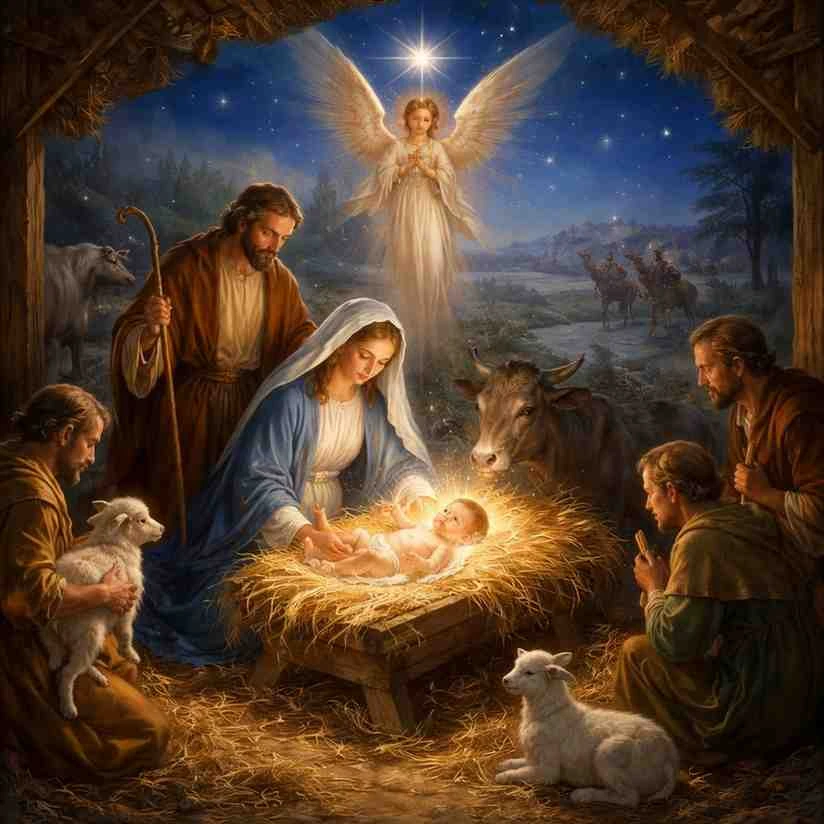
Christmas church services, prayers, and carols focus on Christ’s teachings, reminding believers to follow a path of humility, service, and faith. The nativity scene, depicting Jesus born in a humble manger, emphasizes the idea that true greatness lies in simplicity and devotion, not in power or wealth.
Christmas as a Message of Hope
Christmas emerged during a time when people longed for hope and spiritual guidance. The birth of Jesus symbolized light in the midst of darkness. This message remains deeply relevant today, especially in a world facing conflict, stress, and division.
Religiously, Christmas reassures believers that divine guidance is always present, even during the most challenging times. The celebration encourages faith in goodness and trust in God’s plan for humanity.
Spiritual Meaning Beyond Religion
Spiritually, Christmas goes beyond rituals and traditions. It symbolizes the awakening of divine qualities within the human heart—love, compassion, kindness, and forgiveness. Many spiritual thinkers interpret Christmas as the birth of higher consciousness within each individual.
The decorations, lights, and stars associated with Christmas represent inner illumination and spiritual awareness. Gift-giving reflects generosity and selflessness, while sharing meals and joy strengthens human connection and unity.
Universal Values of Christmas
Although Christmas is rooted in Christianity, its values are universal. The teachings of Jesus—loving one’s neighbor, helping the poor, forgiving others, and living truthfully—resonate across cultures and religions.
Christmas encourages people to rise above hatred, greed, and ego. Its spiritual message promotes peace, empathy, and service, making it meaningful even to those who may not follow Christianity but value human dignity and moral living.
Christmas in the Modern World
In the modern age, Christmas is often associated with shopping, decorations, and social gatherings. While these traditions bring joy, the deeper essence of Christmas can sometimes be overlooked. Its true significance lies in inner reflection and ethical living.
Celebrating Christmas meaningfully involves practicing kindness, offering help to those in need, and nurturing inner peace. When approached consciously, Christmas becomes an opportunity for personal and spiritual renewal.
Why Christmas Still Matters Today
Christmas continues to be celebrated because it addresses timeless human needs—love, belonging, and purpose. Its religious foundation provides spiritual guidance, while its broader message encourages harmony and compassion in society.
In a divided world, Christmas reminds humanity that peace begins within individuals. By embracing its religious and spiritual teachings, people can transform not only their own lives but also contribute positively to the world around them. Christmas is celebrated to honor the birth of Jesus Christ, but its meaning extends far beyond a historical event. Religiously, it represents divine love and salvation. Spiritually, it symbolizes inner awakening and moral transformation.
At its heart, Christmas is a call to live with compassion, humility, and faith. When celebrated with understanding and sincerity, it becomes a powerful reminder that true light is born within the human soul.
~Religion World Bureau

Editorial Review Note
Written by Religion World — Bhavya Srivastava is the founder of Religion World and a veteran journalist with over 18 years of experience across broadcast, print, and digital media. A founding member of the International Association of Religion Journalists (IARJ), he has spent much of his career reporting on and producing content about religion, faith, and spirituality. View full profile →.
Religion World provides information on all religions and presents it impartially. You can send us information, news, updates, opinions, and suggestions at religionworldin@gmail.com. You can also follow us on X (Twitter), Facebook, and YouTube.